Journal · Tower Whiskey Distillery ·
What “finished in first-use oak” means
Every label in the range says where the whiskey finished. Here is what “first-use” actually means, using the Demptos and François Frères casks in our barrel room.
Read the back of any of our bottles and you will see two casks, not one. Aged in this. Finished in that. The second line often says “first-use”. Here is what that means.
Two stages, two jobs
Every whiskey starts clear. The spirit that comes off the still is called new make. In Australia it must then age in wood for at least two years. It goes in clear and comes out golden, picking up flavour the whole way.
We do that in two stages. First, the young whiskey ages in a combination of used wine and spirit casks. Those casks have already given their raw oak to something else. What they offer now is the character of what they held: bourbon, Shiraz, Malbec, fortified wine.
Second, we finish it in hand-selected new or speciality oak. That is where first-use comes in.
First-use means first fill
A first-use cask is one that has not held anything before our whiskey. The oak is fresh. It has been toasted, sometimes charred, and it has the most to give.
That is why it comes last. Its job is to add colour, depth and texture on top of the character the first cask built.
Demptos: B1 and No.3
Demptos is a cooperage, a barrel maker. Two of our whiskeys finish in Demptos oak.
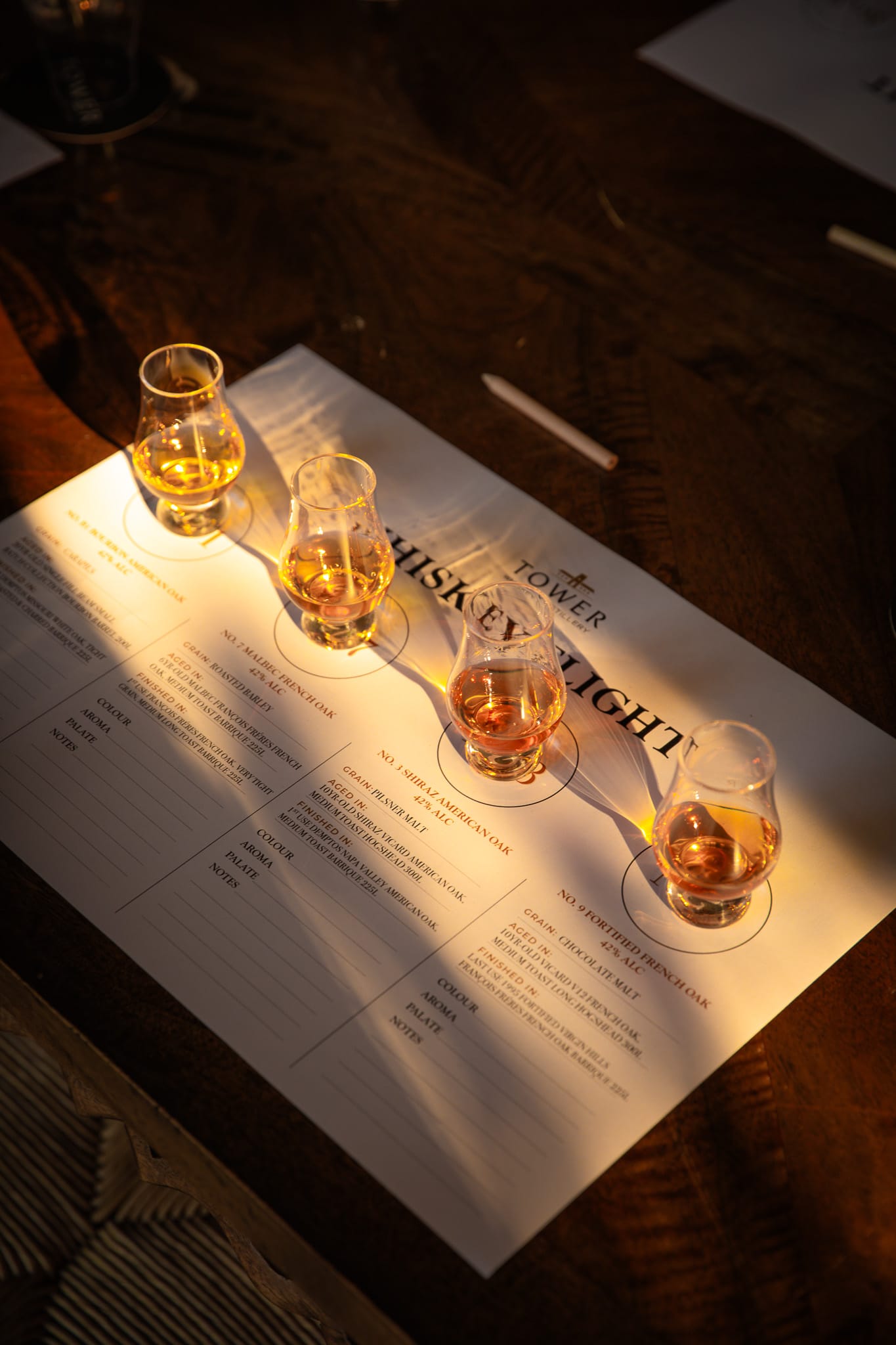
B1 spends its first stage in 20-year-old, 200-litre ex-bourbon barrels from Kentucky. They arrive flat-packed, staves and hoops apart, and are re-coopered here. Then B1 moves into first-use Demptos Missouri white oak barriques: 225 litres, tight grain, toasted and charred. That finish adds depth of colour and a smoother, fuller mouthfeel. On the nose you get candy, fairy floss and toffee. On the palate, vanilla and honey.
No.3 ages in Vicard American oak casks that spent ten years holding Shiraz, with a medium toast. It finishes in first-use Demptos Napa Valley American oak barriques with a heavy toast. The American oak gives sweetness and softness. The Shiraz leaves a hint of pepper on the finish.
François Frères: No.7
No.7 ages in a six-year-old French oak barrique that held Malbec. It finishes in a first-use François Frères barrique with a very tight grain and a medium-long toast.
Tight grain matters. The growth rings sit close together, so the oak gives its flavour slowly and finely. French oak also leans spicier and more structured than American oak. The result is spicy cedar oak on the nose, a clean and intense palate, and a creamy, soft finish.
The exception: No.9 goes last-use
No.9 breaks the pattern on purpose. It ages in ten-year-old Vicard fortified French oak with a medium toast. Then it finishes in last-use François Frères barriques that held our 1995 Rare Tawny from Virgin Hills.
Those barriques have given most of their raw oak away over the years. What they hold now is fortified wine, soaked deep into the timber. So the finish adds richness rather than fresh oak: spice, dried fruit and dark chocolate.
Toast is part of it too
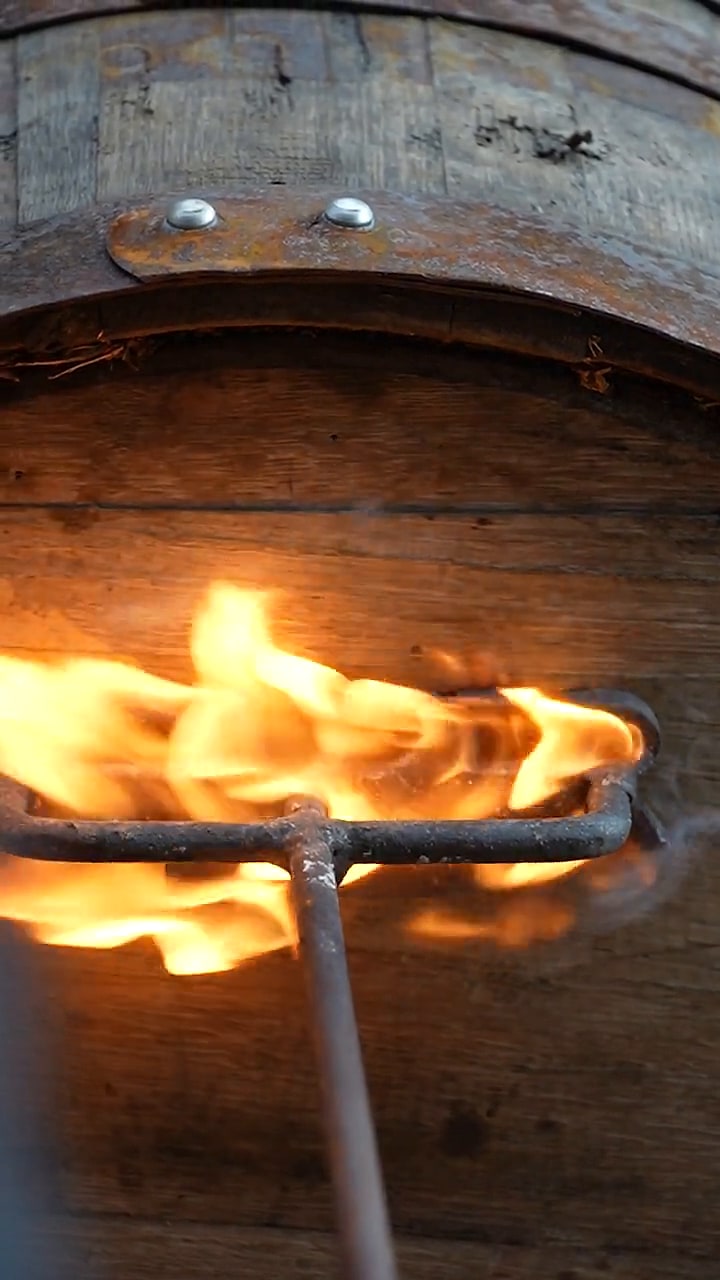
When a barrel is made, the inside is toasted over fire. The level of toast shapes the flavours the oak gives. Medium, medium-long, heavy, toasted and charred: when you see those words on our cask notes, they are telling you how hard the fire worked.
See it for yourself
You can read all of this on a label. It is easier to taste it. The Whiskey Flight pours all four side by side, so you can follow each cask from the first stage to the finish.